




Introduction
Sowing means “activating” a seed by recreating the conditions that, in nature, allow it to open, take root and germinate. In the case of cacti and succulents, this process requires particular care, as these plants are adapted to extreme environments.
This tutorial is the result of years of trials, successes and mistakes. It does not claim to be scientific nor the only possible method, but it aims to provide a solid and practical foundation for achieving good results.
Part 1 – Environmental conditions
- Humidity: close to 100%
- Temperature: 18–20°C at night, 25–26°C during the day
- Ventilation: enclosed environment, without air drafts
- Light: 13–16 hours, 8,000–15,000 lux
- Seed age: the fresher the seed, the higher the germination rate (with rare exceptions)
By recreating these conditions, sowing is possible all year round, although spring and early summer remain the most suitable periods.
Part 2 – The soil
The high humidity required for germination encourages mold and rot. For this reason, it is essential to disinfect both soil and tools using one of the following methods.
Soil disinfection
- Specific powdered disinfectant
- Conventional oven: 70–80°C for 1 hour
- Microwave oven: 10 minutes at maximum power
Substrate composition
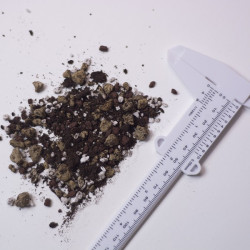
The ideal substrate is slightly acidic (pH ~6.5), low in nutrients and highly draining.
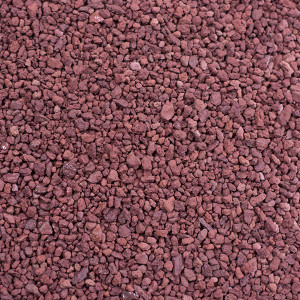
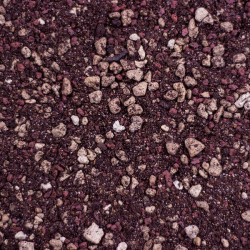
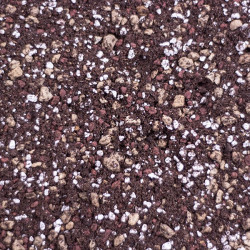
- Mix 3 – Soil for cactus seed sowing : Lava rock, pumice, lava sand, pumice sand, zeolite sand, organic matter
- Mix 4 – Soil for succulent seed sowing : Lava rock, pumice, zeolite, lava sand, pumice sand, river sand, organic matter
A 1 cm layer of sieved sand or pozzolana on the surface is always recommended.
Part 3 – Stimulation treatments
Some species require specific treatments to break seed dormancy.
- Stratification: storage in a refrigerator at 1–4°C for about 2 months
- Scarification: abrasion or incision of the seed coat
- Acidification: misting with slightly acidified water
Part 4 – Sowing
A draining layer must be placed at the bottom of the pots. Seeds should then be positioned according to their size.
- Very small seeds: do not cover
- Medium-sized seeds: cover with about 1 mm of sand
- Large seeds: cover with a layer equal to the seed thickness
Initial watering must be done from below. The substrate must never dry out completely.
Part 5 – Early care
- Ventilation: increase gradually
- Humidity: after the first months, reduce to 50–60%
- Light: always bright but not direct
- Watering: always from below
- Fertilization: light feeding after 4–5 months
Part 6 – The first winter
During the first winter, young plants enter dormancy. Watering should be suspended, humidity kept low, and temperatures maintained above 12–14°C.